Get Handicap Ramp Installation
Local contractors can install handicap ramps to improve accessibility and safety for individuals with mobility challenges in various property projects.
If you're considering handicap ramp installation, you're in the right place to explore your options. Property owners in the area often seek these services to improve accessibility for residents, visitors, or clients, making daily movement safer and more convenient. Whether planning for a new addition or upgrading an existing structure, understanding the available solutions can help you make informed decisions tailored to your property's needs.
Comparing local contractors who specialize in handicap ramp installation can provide valuable insights into the variety of approaches and designs suited for different property types. As you continue reading, you'll find resources to connect with experienced service providers in your area, enabling you to evaluate options and find the right fit for your project.
- Residential homes - homeowners may need handicap ramp installation to improve accessibility for family members or visitors with mobility challenges.
- Commercial buildings - businesses might require ramps to comply with accessibility standards and accommodate customers or employees with disabilities.
- Public facilities - government or community spaces often need ramps to ensure safe and easy access for all visitors.
- Apartment complexes - property managers may seek ramp installation to meet accessibility requirements and support residents with mobility needs.
- Healthcare facilities - clinics and hospitals may need ramps to facilitate patient movement and adhere to accessibility regulations.
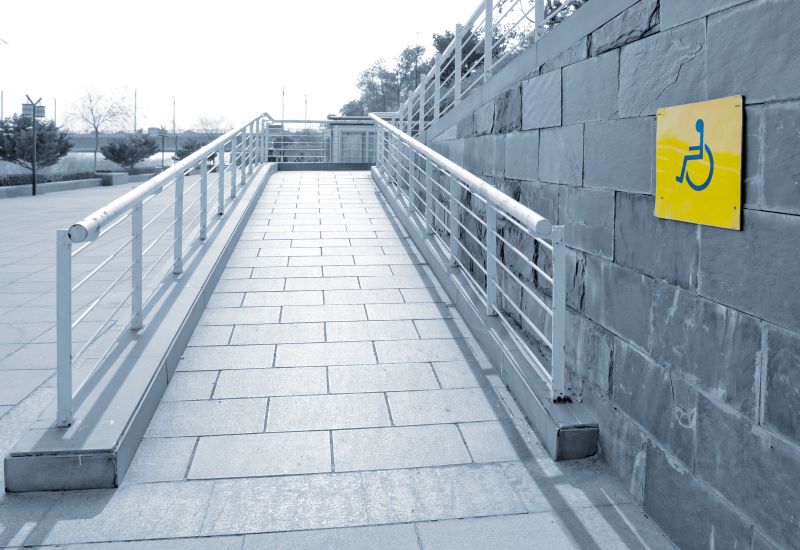
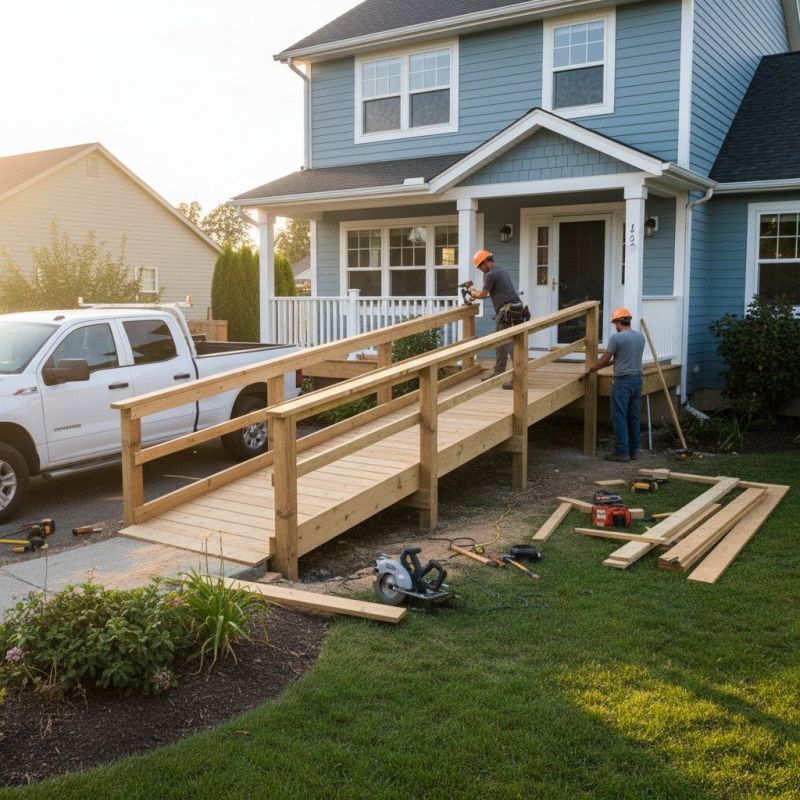
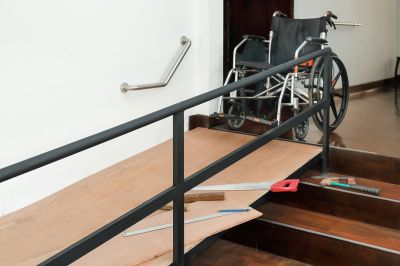
Handicap ramp installation services involve the design, construction, and placement of ramps that provide accessible entry points to residential and commercial properties. These ramps are built to accommodate individuals with mobility challenges, such as those using wheelchairs, walkers, or with difficulty navigating stairs. Professional contractors assess the property’s layout and needs to create a safe, stable, and durable ramp that seamlessly integrates with existing entrances. The process typically includes selecting appropriate materials, ensuring proper slope and width, and securing the structure to meet safety standards.
This service helps address common problems related to stairs that may be difficult or impossible for some individuals to navigate safely. Without a proper ramp, people with mobility impairments might face barriers that limit independence and accessibility. Installing a handicap ramp can eliminate these obstacles, making it easier for residents or visitors to enter and exit a property comfortably. Additionally, ramps can prevent accidents caused by slipping or falling on stairs, especially in adverse weather conditions or for those with balance issues.
Handicap ramp installation is often used in various types of properties, including single-family homes, apartment complexes, assisted living facilities, and commercial buildings. Homes with elevated entrances, steps, or uneven terrain are typical candidates for ramp installation. Commercial properties, such as storefronts or office buildings, may also require ramps to comply with accessibility standards and accommodate clients or employees with mobility needs. Regardless of the property type, a well-installed ramp can significantly improve usability and ensure compliance with accessibility guidelines.
When considering handicap ramp installation, it’s important to understand the different options available to suit specific property requirements. Local contractors can evaluate the space, terrain, and user needs to recommend the most suitable ramp type, whether it’s a permanent structure made of concrete or wood or a portable, modular solution. These professionals focus on creating safe, functional solutions that enhance accessibility and independence for individuals with mobility challenges. Contacting experienced service providers can help find the right solution for any property that requires improved access.
The overview below groups typical Handicap Ramp Installation projects into broad ranges so you can see how smaller, mid-sized, and larger jobs often compare in your area.
In many markets, a large share of routine jobs stays in the lower and middle ranges, while only a smaller percentage of projects moves into the highest bands when the work is more complex or site conditions are harder than average.
Smaller Repairs - Typical costs for minor ramp repairs or adjustments usually fall between $250 and $600. Many routine jobs in this range involve fixing or modifying existing ramps and are common among local contractors. Fewer projects reach the higher end of this spectrum unless additional work is needed.
Standard Installations - Installing a new handicap ramp generally costs between $1,200 and $3,000. Most projects in this category are straightforward and fall within this middle range, with the price depending on length, materials, and site conditions. Larger or more complex installations can push costs higher but are less common.
Full Replacement - Replacing an existing ramp with a new, upgraded model can range from $3,500 to $7,000. Many replacement projects land in this higher tier, especially when custom features or extensive site work are involved. Fewer jobs reach the top of this range unless significant modifications are required.
Complex or Custom Projects - Larger, more intricate handicap ramp installations, such as multi-level structures or custom designs, can exceed $7,000 and reach $10,000 or more. These projects are less frequent and typically involve specialized materials or extensive site preparation, contributing to higher costs.
Actual totals will depend on details like access to the work area, the scope of the project, and the materials selected, so use these as general starting points rather than exact figures.
Wheelchair Ramps - local contractors install wheelchair ramps that require similar planning, measurements, and safety considerations as handicap ramp projects.
Accessibility Doorways - upgrading or widening doorways involves similar carpentry skills and attention to detail needed for ramp installations.
Elevated Decks and Landings - building accessible decks and landings involves structural planning and the use of similar tools as handicap ramp projects.
Stairlift Installation - installing stairlifts requires understanding of space planning and structural modifications akin to ramp construction.
Bathroom Accessibility Remodels - modifying bathrooms for accessibility involves planning and construction skills comparable to those used in ramp installation.
Threshold and Doorway Modifications - adjusting thresholds and doorways for accessibility involves precise measurements and carpentry work similar to ramp projects.
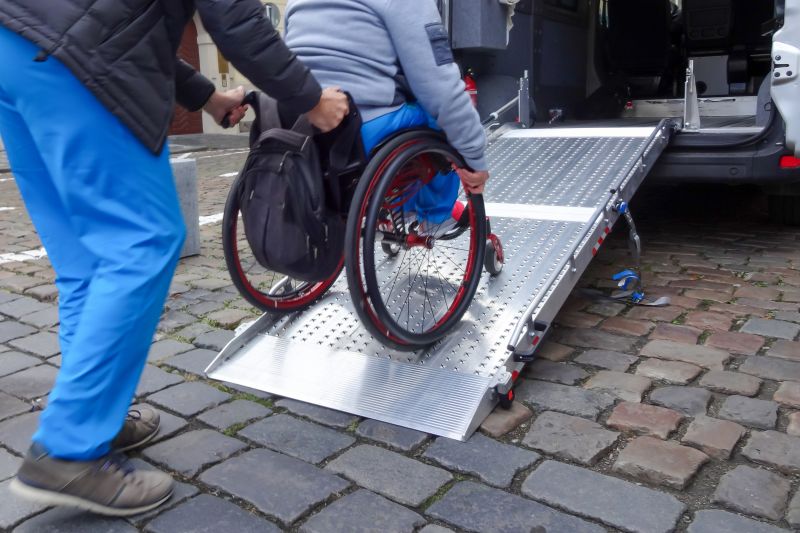
When evaluating service providers for handicap ramp installation, it’s important to consider their experience with similar projects. Homeowners should look for local contractors who have a track record of successfully completing ramp installations comparable to their specific needs. An experienced professional is more likely to understand the nuances of different property types and accessibility requirements, helping to ensure the project is handled efficiently and effectively.
Clear written expectations are essential for a smooth process. Homeowners should seek out providers who can offer detailed descriptions of the scope of work, materials, and any relevant project specifics in writing. Having this information upfront helps prevent misunderstandings and provides a reference point throughout the project. Reputable local contractors are transparent about what their services include, making it easier to compare options and choose a provider that aligns with the homeowner’s needs.
Good communication and reputable references are key indicators of a reliable service provider. Homeowners should look for local pros who are responsive and willing to answer questions, clarify details, and keep them informed throughout the project. Additionally, requesting references or reviews from previous clients can provide insight into the contractor’s professionalism and quality of work. Remember, this site introduces homeowners to local options and does not perform the work itself, so taking the time to compare these factors can help connect with the right service provider for a successful handicap ramp installation.
Property owners use Handicap Ramp Installation services for practical projects around their homes and businesses. This guide focuses on everyday jobs and straightforward project options.
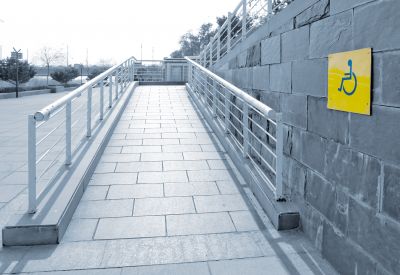
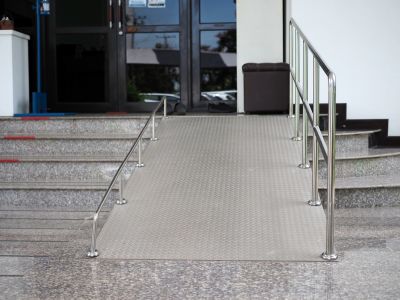
Handicap ramp installation is a common project for property owners seeking to improve accessibility around their homes or businesses. Whether it's upgrading an existing entrance to accommodate mobility devices or adding a new ramp to enhance safety and independence, local contractors are available to handle these modifications. Many property owners look for these services to ensure their spaces are more accessible for family members, guests, or clients with mobility challenges.
In everyday situations, property owners might need a handicap ramp installed after a renovation, due to aging in place, or to meet new accessibility requirements. Local service providers can assist with a range of projects, from simple, temporary ramps to more permanent, custom solutions. Connecting with experienced contractors ensures that installations meet safety standards and fit the specific needs of each property.
What types of handicap ramps are available for installation? Local contractors can install various types of ramps, including portable, modular, and custom-built options to suit different needs and spaces.
How do I determine the best ramp type for my property? Service providers can assess your specific requirements and recommend the most suitable ramp style based on factors like space, usage, and mobility needs.
Are there different materials used for handicap ramps? Yes, local pros typically work with materials such as aluminum, wood, or concrete, each offering different durability and aesthetic options.
Can handicap ramps be integrated into existing structures? Many service providers can design and install ramps that seamlessly integrate with existing steps or entrances for improved accessibility.
What are common features included in handicap ramp installations? Features often include handrails, non-slip surfaces, and appropriate slope measurements to ensure safe and accessible entryways.
Wheelchair Ramp Installation - Enhances accessibility for individuals using mobility devices to enter homes or businesses with ease.
Home Entrance Ramps - Provides safer and more convenient access for seniors or those with mobility challenges at entryways.
Commercial Ramp Solutions - Ensures public or employee access in commercial spaces, improving compliance and safety.
Custom Ramp Designs - Allows property owners to create tailored solutions that fit specific entryways and aesthetic preferences.
If you are thinking about Handicap Ramp Installation for a property, this guide is meant to help you understand the work, the typical project types, and how different options might fit your plans.
When you are ready, you can use the quote form on this page to share a few details about your project. From there, local pros can review the basics and respond with options that match what you have in mind.